

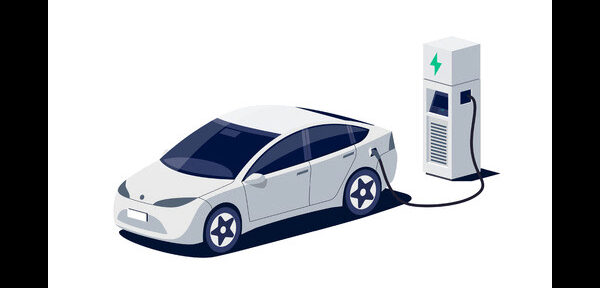
Electric cars have become a more common sight in driveways and parking lots across the country. As drivers have switched to electric vehicles (EVs), many homeowners and condo associations are being asked about installing electric vehicle charging stations (EVCS).
The idea sounds simple—just plug in and charge. But there’s more to it. Associations have to think about safety, cost, and how charging stations fit within their community rules. With good planning and clear policies, boards can meet residents’ needs while keeping things fair for everyone.
Understanding Electric Vehicles and Charging Stations
There are three main kinds of electric vehicles:
- Battery Electric Vehicles (BEVs) – Fully electric and run only on batteries, like the Tesla Model 3 or Nissan Leaf.
- Plug-in Hybrid Electric Vehicles (PHEVs) – Use both batteries and a gas engine, such as the Toyota Prius Prime.
- Hybrid Electric Vehicles (HEVs) – Mostly use gasoline but get some help from a small battery. These can’t be plugged in.
Charging stations also come in three “levels”:
- Level 1 – Uses a standard outlet, slow but works fine overnight.
- Level 2 – Faster, uses a 240-volt connection, and usually needs professional installation.
- Level 3 (Fast Chargers) – Charge very quickly but are expensive and meant for commercial locations like shopping centers or highway rest stops.
State Statutes and What Associations Can Do
Some states have passed laws making it easier for homeowners to add EV charging stations. These laws often say associations can’t unreasonably block a request, but they can set reasonable rules about safety, appearance, and maintenance.
For example, California can fine associations that deny requests without a good reason. Florida and Colorado also require associations to act within a certain number of days and allow them to recover related costs.
North and South Carolina don’t have specific EV laws concerning associations. That means the community’s governing documents tend to control. Usually:
- Owners may install a charger on their own property if allowed under the declaration and any architectural guidelines.
- Associations may install chargers in shared areas for community use, but rules for use, costs, and upkeep will likely be necessary.
Practical and Technical Challenges
Questions about who pays for or maintains electric vehicle (EV) chargers often depend on the type of community association. In a condominium, most property,, including parking areas, is common area. That means the association will likely bear responsibility for approving, installing, and maintaining chargers.
In contrast, in a single-family homeowners association, the situation is quite different. Because each homeowner owns their individual lot and home, responsibility for an EV charger at the residence will almost always rest with the homeowner.
Townhome communities will likely fall somewhere in between, with the answer depending on where the charger is located and who is responsible for that portion of the property under the governing documents. Careful review of the specific plan and governing documents would be needed before determining whether the association or the owner bears specific obligations.
Installing an EV charging station may sound simple, but electrical capacity can quickly become a limiting factor. Older buildings or large communities may not have enough power available to support additional high-level chargers. Adding new stations could require upgrades to wiring, breaker panels, or even utility transformers, and those improvements can be costly.
In addition, existing fire suppression systems may not meet current safety standards for EV charging equipment. Because of these and other technical concerns, associations should anticipate that engineering or electrical professionals will need to be involved. In short, installing an EV charger in a community setting is not a do-it-yourself project.
If the community shares electricity, the board may want a way to track who’s using how much power. Fair cost-sharing can help prevent disputes.
Insurance and Safety Concerns
EV chargers bring new safety issues. Faulty equipment could cause fires or damage common property. Insurance policies might not automatically cover these risks, so an association should talk with their insurance agent and possibly update their coverage.
It’s also smart to:
- Require owners to maintain their charging stations and use licensed electricians.
- Have owners agree to cover any damage caused by their installation.
- Consider asking owners to list the association as an “additional insured” on their insurance policy.
Costs and Financial Planning
The big question: who pays?
If the station is in a common area, the association may need to cover part of the cost or charge users a fee. Some communities use “opt-in programs” where only EV owners help pay for the upgrades.
Before spending money, associations should:
- Look for state or federal grants, tax credits, or rebates, though such incentives are in decline.
- Work with the association’s utility company to explore partnership programs.
- Set aside reserve funds for future upgrades as EV use grows.
Creating Good Policies
The association, possibly though the board (if the EV is on common area) or an architectural review committee (if owner installed) should develop clear EVCS guidelines, which can:
- Explain the approval process.
- Require licensed installers and compliance with electrical codes.
- Protect the look of the community.
- Make owners responsible for maintenance and removal if they sell their home.
Simple, well-written guidelines can keep everyone on the same page and reduce conflicts later.
Steps Associations Can Take Now
- Check Your Power Capacity – Ask an electrician or engineer to evaluate what your property can handle.
- Review Governing Documents – Make sure they allow for EV charging and clearly spell out responsibilities.
- Set Fair Rules – Decide who pays for what, how usage will be tracked, and what insurance is needed.
- Plan Ahead – Expect some residents to buy EVs in the next few years and budget for upgrades.
- Get Expert Help – Work with legal counsel, insurance providers, and electricians to avoid costly mistakes.
Driving Toward the Future
Electric vehicles are likely here to stay. Communities that plan now will be better prepared to handle the growing demand for charging stations.
With the right mix of planning, fairness, and foresight, associations can support sustainability while protecting the interests of all owners.